South Island Outperforms: Canterbury and Southland Defy Flat National Housing Market
A Tale of Two Islands in New Zealand Property
A Tale of Two Islands in New Zealand Property
The headline figures for the New Zealand housing market suggest a period of static consolidation. Aggregate metrics paint a picture of a national housing sector treading water, with transaction volumes moving in a tight band and value growth remaining largely flat. Beneath this quiet surface, recent figures published by the Real Estate Institute of New Zealand reveal a pronounced geographic divergence. A stark regional split has emerged across the country, where major northern urban centers struggle under excess inventory and hesitant buyer activity, while South Island regions absorb available stock at a rapid pace.
Nationally, the REINZ median house price stood at $770,000 in recent monthly reporting, representing a modest 0.7% increase year-on-year. The national REINZ House Price Index, which adjusts for property type composition to offer a clearer view of underlying market value trends, fell 0.8% over the same timeframe. The average median time to sell across New Zealand settled at 48 days, reflecting a cautious environment nationwide. These aggregate metrics suggest a market in equilibrium, yet regional breakdowns reveal that local dynamics are moving in completely different directions.
As REINZ Chief Executive Lizzy Ryley observed in recent market analysis, the New Zealand property sector has effectively broken down into a collection of local markets operating at distinct speeds. The nationwide summary masks localized strength in regions where buyer demand remains resilient and housing affordability provides a solid floor.
Southland Charges Ahead on Relative Affordability
Southland has established itself as the country’s top-performing regional market, leading all sixteen regions in annual House Price Index growth. Data from REINZ shows Southland’s median property price reached $540,000, marking an annual increase of 10.2%. This impressive performance reflects sustained demand across both regional townships and the Invercargill territorial authority, where median prices hit record levels.
The primary catalyst for Southland’s strength lies in its relative affordability. With entry-level house prices sitting well below national averages, local buyers face far lower debt-servicing hurdles relative to household incomes. This lower entry point continues to attract first-home buyers along with out-of-region property investors seeking stronger rental yields. While elevated borrowing costs have constrained purchasing power in major northern centers, Southland’s accessible price spectrum allows buyers to secure bank financing with manageable mortgage servicing obligations. The regional economy, anchored by resilient agricultural, primary industry, and manufacturing sectors, provides additional confidence for local housing activity.
Canterbury Combines Strong Sales Volume with Price Growth
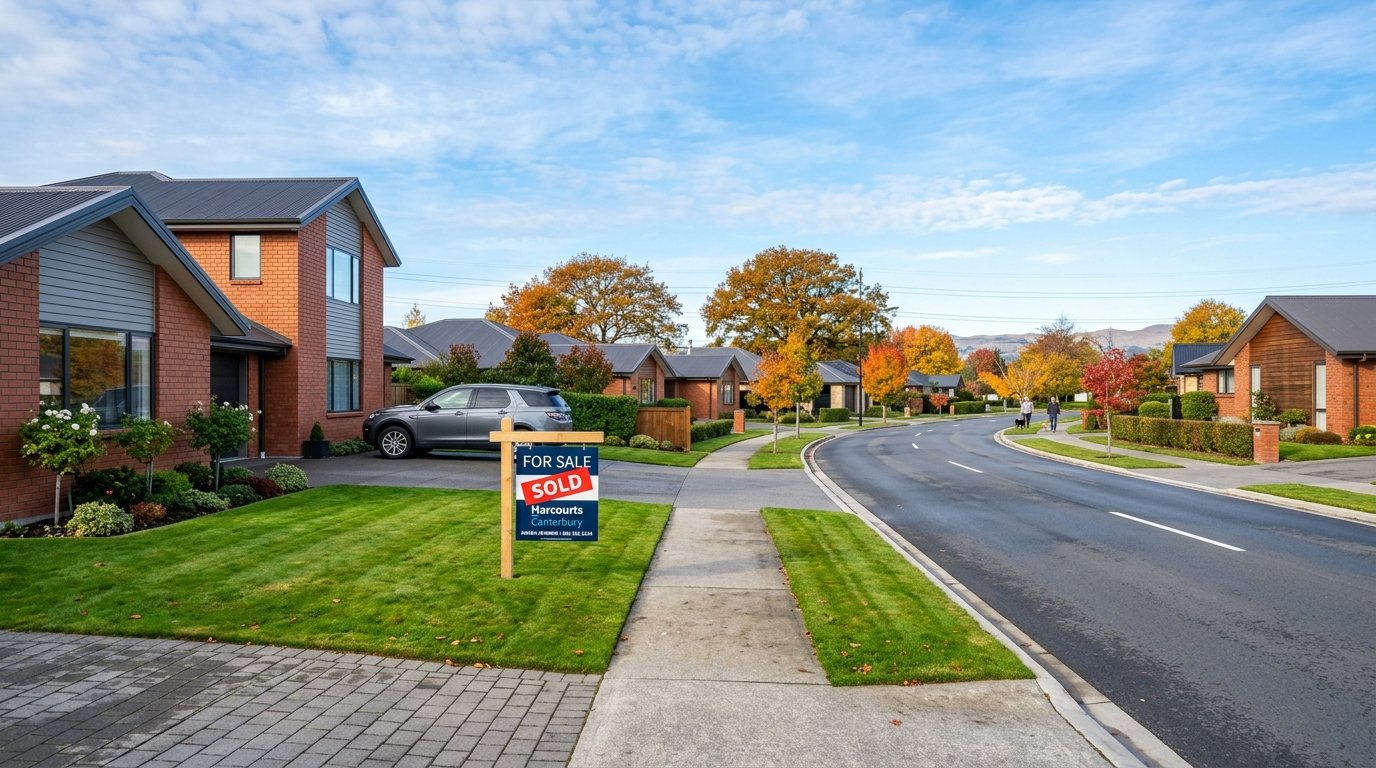
Further north in the South Island, Canterbury presents another compelling narrative of market strength. REINZ reporting indicates Canterbury recorded one of its strongest mid-year sales totals on record, demonstrating a level of transaction liquidity unseen in most North Island districts. The median sale price in Canterbury rose to $710,000, a year-on-year increase of 5.2%, following earlier monthly figures that reached $725,000.
Unlike markets where price gains stem purely from a scarcity of listings, Canterbury’s outperformance is characterized by healthy transaction turnover. New inventory arriving on the market is absorbed efficiently by an active buyer pool. Greater Christchurch and surrounding territorial authorities such as Selwyn and Waimakariri continue to benefit from proactive urban planning, modern infrastructure development, and a housing stock profile that offers high construction quality. These structural advantages, combined with competitive pricing relative to Auckland, continue to draw inter-island movers and local households looking to step up the property ladder.
Auckland Stalls Under High Supply and High Costs
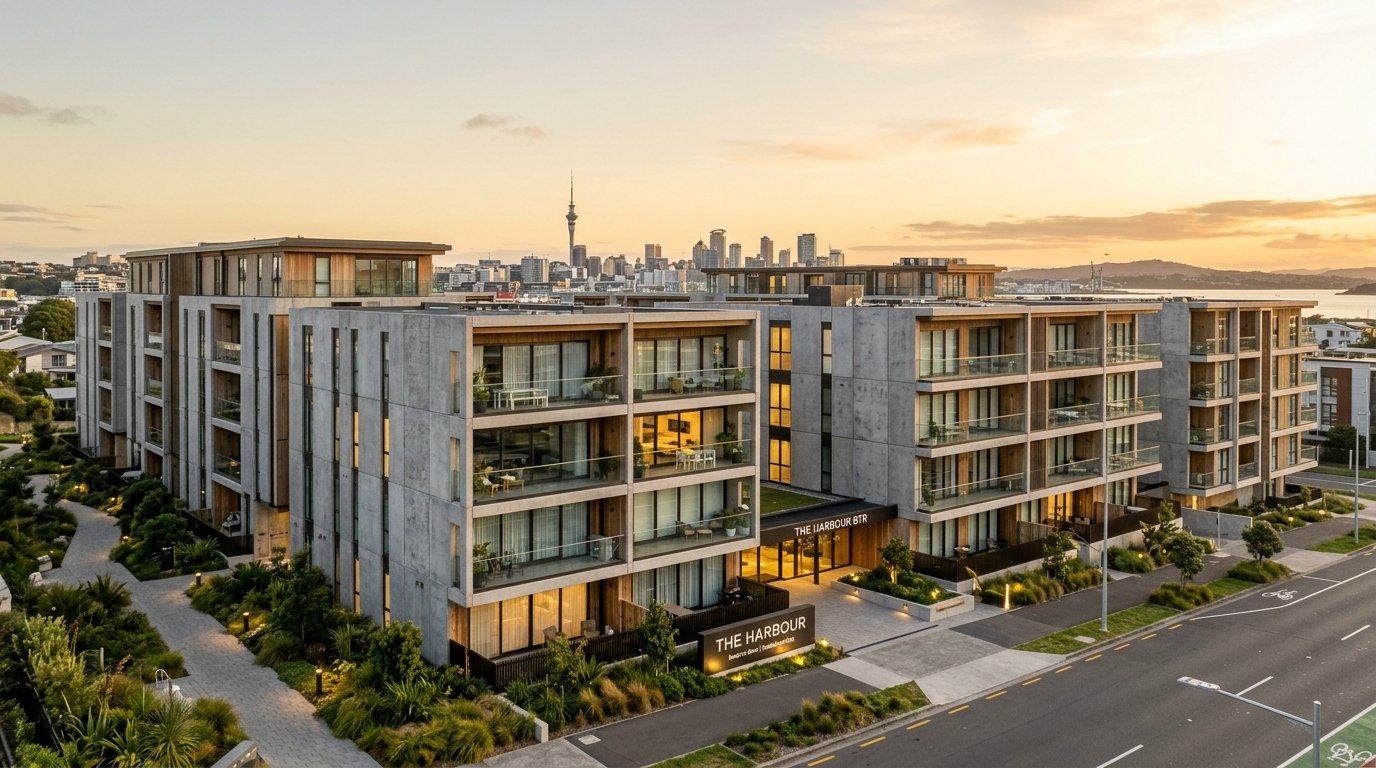
In sharp contrast to the South Island’s momentum, Auckland continues to experience sluggish trading conditions. The median house price in New Zealand’s largest metropolitan center slipped 1.0% year-on-year to $980,000, while the Auckland REINZ House Price Index fell 1.2%. Total available listing inventory in the region remains elevated, giving prospective purchasers substantial selection and removing urgency from negotiations.
The Auckland property market is grappling with the compounding effects of high absolute price levels and persistent mortgage rate pressures. Even with modest adjustments in retail bank interest rates, servicing a median-priced home in Auckland requires a significant proportion of household income. First-home buyers in the city face steep deposit requirements, while property developers and residential investors remain cautious due to squeezed yields and a high volume of newly constructed townhouses competing for buyers. Median days on market in Auckland remain stretched, forcing vendors to price realistically to achieve unconditional contracts.
Structural Factors Driving the Regional Divide
The widening gap between South Island resilience and North Island stagnation reflects several key underlying factors:
- Debt Servicing Limits: Elevated interest rates hit higher-priced markets harder. A 5.2% annual growth rate in a $710,000 market like Canterbury remains accessible for buyers, whereas an equivalent price gain in Auckland’s $980,000 market strains borrowing capacity.
- Inventory Absorption Rates: Canterbury and Southland feature balanced stock levels where new listings match active buyer demand. Auckland faces an inventory overhang, with elevated listing choices allowing buyers to take a patient, selective approach.
- Internal Migration Trends: The search for affordable housing and lifestyle balance continues to direct prospective homeowners toward South Island urban hubs, supporting local population growth and property demand.
- Rental Yield Attractiveness: Property investors are increasingly targeting lower-cost South Island locations where purchase prices align with rental returns, offering positive cash flow profiles that are difficult to achieve in Auckland.
Market Outlook: Local Conditions Will Dictate Results
The latest findings from REINZ underscore that national averages fail to tell the true story of the New Zealand housing market. A single national trend no longer exists; instead, property performance is dictated by regional affordability, local stock levels, and regional economic fundamentals. Buyers and sellers operating in Auckland face a buyer-friendly environment with abundant choice, while participants in Canterbury and Southland are operating in competitive, fast-moving markets.
Looking ahead through the remainder of the year, regional performance gaps are expected to persist. Until borrowing costs ease sufficiently to unlock purchasing capacity in high-value northern centers, Auckland and Wellington are likely to remain restrained. In contrast, Canterbury and Southland possess the affordability foundation, transaction velocity, and steady buyer demand required to maintain their outperformance, reinforcing the South Island’s position as the primary engine of growth in New Zealand residential real estate.