Southland Reaches Rent-vs-Buy Parity as Sub-$500k Homes Drive Renters into Ownership
Across much of New Zealand, the gap between servicing a mortgage and paying weekly rent remains a significant barrier for aspiring homeowners. In Southland, however, that equation has inverted. A combination of accessible entry-level housing stock, plateauing interest rates, and consistent rental price inflation has pushed the southern region into rare rent-versus-buy parity. With entry-level standalone homes in Invercargill and Gore frequently trading below the $500,000 threshold, tenants are discovering that their current weekly rent checks match—or even exceed—the cost of principal-and-interest repayments on their own property.
Rather than battling tight rental vacancy rates and annual rent reviews, a rising share of Southland renters is choosing to step out of the tenancy pool altogether. Local market dynamics, bolstered by targeted lending products and government assistance schemes, have created an accelerated pathway into homeownership that remains largely unmatched across the rest of the country.
The Math Behind Southland’s Parity Equation
Data from the Real Estate Institute of New Zealand (REINZ) reveals why Southland holds a unique position in the national housing market. While metropolitan centres like Auckland and Wellington post median sale prices well above $750,000, Southland’s regional median has consistently tracked near the $500,000 mark. In Invercargill, the regional hub, entry-level properties in established working-class suburbs trade considerably below that level, often between $350,000 and $450,000.
According to rental market reporting from Tenancy Services and local property portals, the median rent for three-bedroom standalone houses across Invercargill sits between $520 and $550 per week. In Gore, median residential rents average between $430 and $470 per week. When evaluated against mortgage repayments on an affordable purchase, the financial rationale for renting quickly erodes.
- Purchase price: $420,000 (typical 3-bedroom entry-level property in Invercargill).
- Deposit: 10% ($42,000), leaving a loan balance of $378,000.
- Servicing cost: At an indicative special rate of 5.39% over a 30-year term, principal-and-interest repayments work out to roughly $489 per week.
- Comparison: Equivalent rental rate stands at $520 to $540 per week, generating an immediate cash saving on pure shelter costs.
Even after factoring in regional council rates, basic insurance, and routine property maintenance—which add approximately $90 to $120 per week in Southland—the net gap remains negligible. For many households, paying a marginal premium to own an appreciating freehold asset beats directing non-recoverable funds to an off-site landlord.
Invercargill and Gore: The Twin Engines of Affordable Freehold Stock
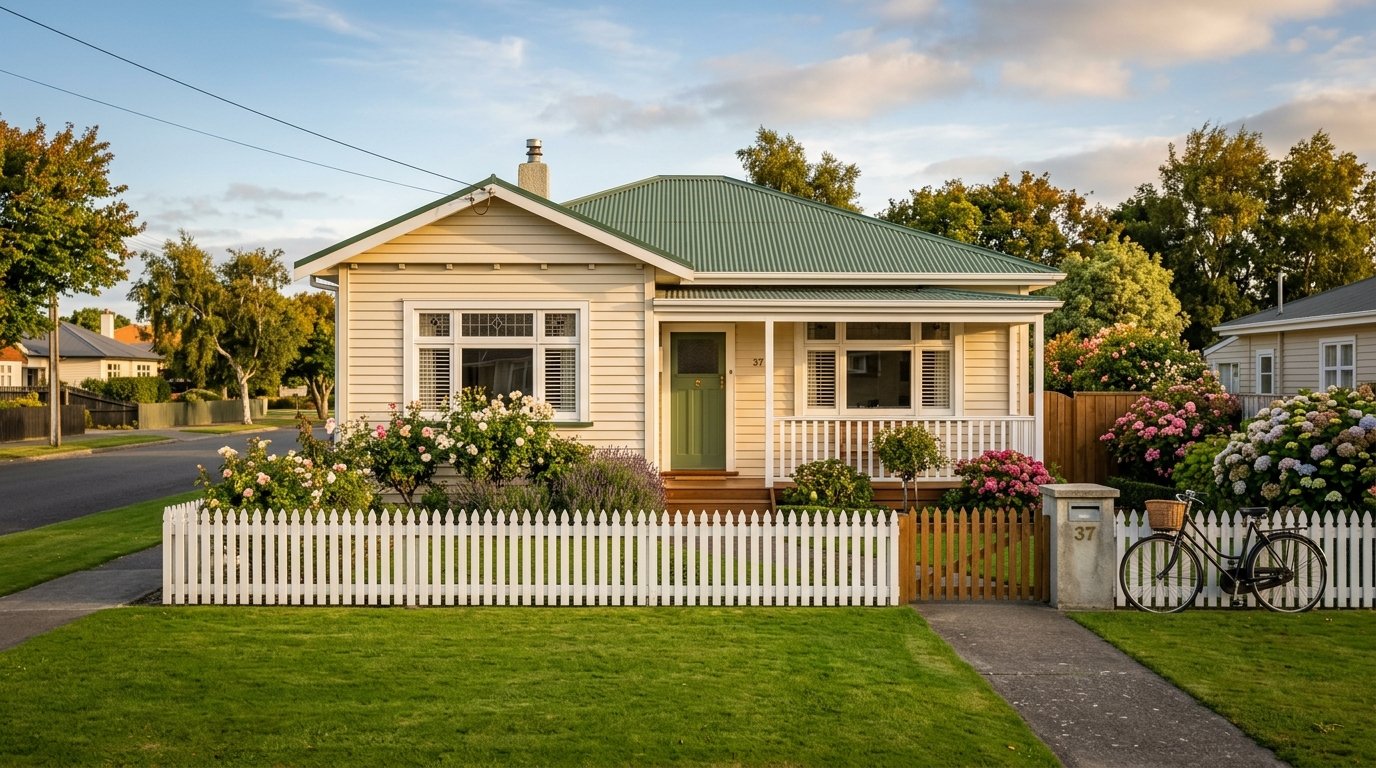
The regional transition is concentrated across two main urban centres: Invercargill City and the Gore District. Each offers an inventory profile rarely seen in other regional centres: robust, classic weatherboard and brick-and-mortar homes built on full quarter-acre sections, priced within reach of single- and dual-income households.
In Invercargill, suburbs such as Appleby, Glengarry, Kew, and Georgetown represent active hunting grounds for first-time buyers. REINZ transactional data shows that these pockets routinely record sales volumes in the $320,000 to $430,000 bracket. For working couples earning Southland’s median household income, meeting the servicing criteria on a $350,000 borrowing pool does not stretch debt-to-income limits to breaking point.
Further inland, Gore presents an even sharper price proposition. As an agricultural service hub with an established manufacturing footprint, Gore features a housing market where solid character homes frequently change hands between $330,000 and $410,000. Rental availability in the district is notoriously constrained, with prospective tenants often competing against dozens of applicants for a single listing. Faced with an illiquid rental pipeline and monthly mortgage costs that mirror local lease contracts, Gore residents are turning open homes into buying opportunities.
Financing the Shift: Regional Lending and State Support
Favourable property valuations alone do not get buyers across the line; access to capital remains essential. Southland buyers benefit from an aligned institutional framework led by local mutual lending and central government assistance.
Headquartered in Invercargill, SBS Bank has maintained an aggressive focus on homeownership in its southern heartland. SBS Bank’s FirstHome Combo packages, which provide discounted one-year fixed rates alongside cash contributions toward home insurance and KiwiSaver accounts, offer a targeted buffer for entry-level applicants. The member-owned bank has structured lending settings that recognise Southland’s economic realities, helping qualified borrowers bridge the initial cost hurdle.
Meanwhile, Kāinga Ora supports the regional push through its First Home Loan programme. By underwritten insurance from Kāinga Ora, participating lenders like SBS Bank can approve mortgages with deposits as low as 5%. In Southland, where a 5% deposit on a $400,000 standalone property requires only $20,000, the savings target becomes achievable via accumulated KiwiSaver balances and modest personal savings. Without prohibitive median price caps holding buyers back, first-home hunters in Invercargill and Gore are using these low-deposit structures to bypass the traditional multi-year deposit-saving grind.
Rental Market Pressures Drive Tenants to the Exit
The acceleration toward purchasing is not solely motivated by homeownership aspirations; it is also driven by rental market friction. Over recent quarters, Southland’s rental market has operated under sustained supply pressures. Days to rent remain tight, and property managers report elevated inquiry volumes for standard family dwellings.
Tenants face multiple recurring pain points:
- Intense vetting processes: Multiple applications per property create heightened competition and uncertainty for families.
- Unpredictable tenure: Periodic lease expiries and the risk of landlords selling prompt renters to search for stability.
- Rising holding costs passed down: Higher local rates and insurance premiums have steadily pushed southern rents upward over the past three years.
By exiting the rental pool, new homeowners insulate themselves from annual rent increases while securing security of tenure. This migration is beginning to alter Southland rental dynamics, shifting competitive pressure from rental viewing queues to Saturday morning open homes.
The Long-Term Economic Outlook for Southland Housing
Southland’s rent-versus-buy parity provides a structural floor under the local property market. As national housing discussions remain focused on supply shortages and affordability constraints in major metropolitan areas, Southland demonstrates the market mechanics of accessible entry-level stock.
REINZ market reports continue to register Southland as one of the country’s most stable property regions, insulated from the extreme boom-and-bust valuation swings observed in larger speculative centres. With steady employment anchored by agriculture, logistics, manufacturing, and primary processing, local purchasing power remains firmly tied to wage fundamentals.
For Southland renters navigating sub-$500,000 price tags, the calculation is clear. When regular servicing costs equal the going market rent, the balance of financial prudence tips decisively away from leasing and firmly toward owning.