The Guarantee Transfer Trap: Why Missing the 90-Day Master Build Deadline in Rolleston Can Void a $100,000 Safety Net
Across the rapidly expanding subdivisions of the Selwyn District, thousands of near-new standalone dwellings change hands each year. In high-growth hubs such as Rolleston and Lincoln, modern housing stock represents the bulk of residential turnover. A significant proportion of these sales involve homes built within the past decade, marketed heavily with the promise of remaining coverage under an independent building warranty.
Yet an alarming number of purchasers operate under a dangerous legal misconception. Buyers regularly assume that a Master Build 10-Year Guarantee automatically travels with the certificate of title upon settlement. In reality, the Registered Master Builders Association requires a formal transfer application, accompanying documentation, and an administrative fee submitted strictly within 90 days of settlement. Missing this rigid window permanently terminates the guarantee, stripping property owners of coverage against major latent structural faults that can easily exceed six figures in remedial costs.
The Illusion of Automatic Title Transfer
In property transactions, warranties do not operate like council land covenants or statutory easements registered against the property title. A building guarantee issued through Master Build Services is a distinct contract between the guarantor and the nominated owner named on the guarantee certificate.
Marketing flyers and real estate listings across Rolleston frequently proclaim “Balance of 10-Year Master Build Guarantee included.” This statement leads buyers to believe that securing the keys completes the transfer of protection. When settlement concludes, conveyancing files close, and buyers shift their attention to moving in, the guarantee clock is already running.
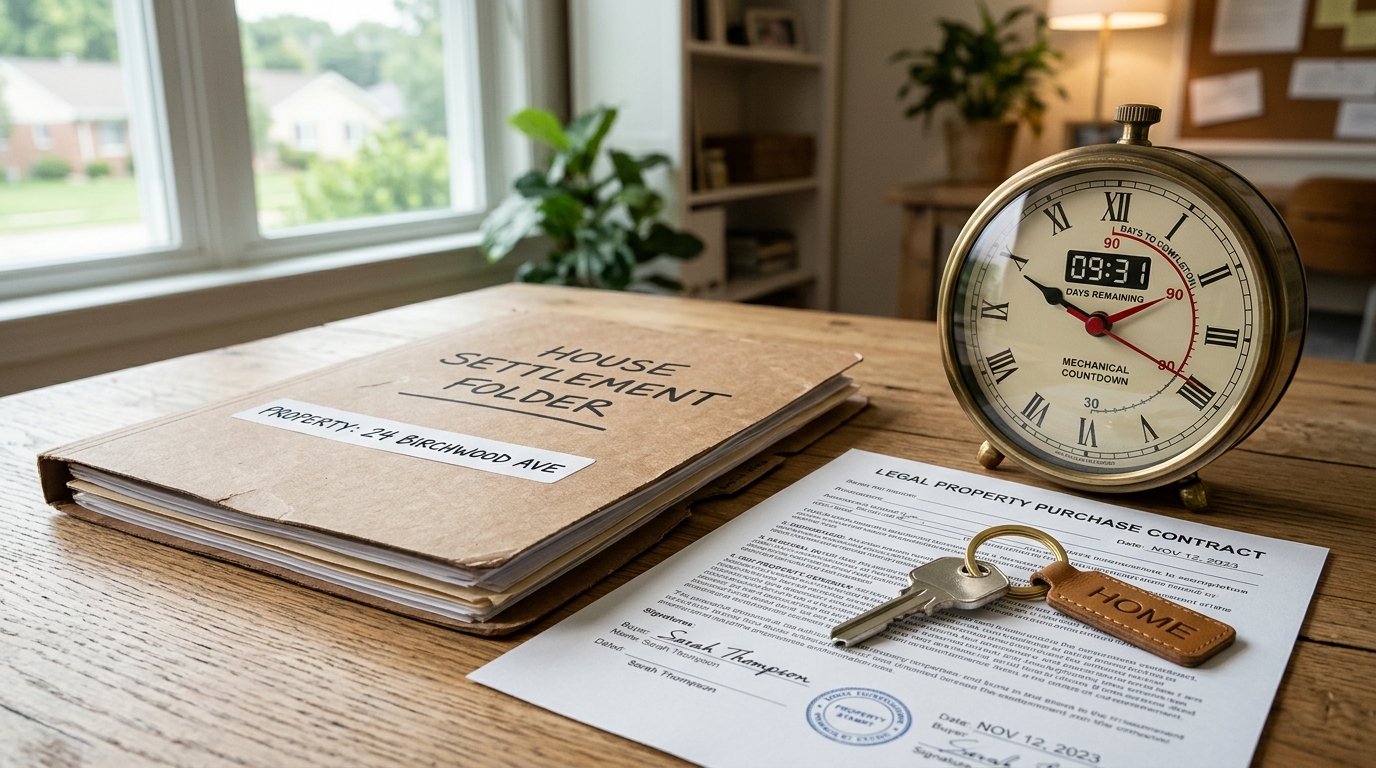
The Registered Master Builders Association sets an unyielding deadline: the purchaser must lodge a completed transfer request form, obtain vendor declarations, and pay a transfer fee of $400 within 90 days of the legal settlement date. If the purchaser fails to complete this process in time, the policy lapses automatically. Once lapsed, the association does not offer late reinstatement or retroactive cover, regardless of the property’s age or the severity of any subsequent structural failure.
Selwyn’s Construction Boom and the Resale Market
The exposure to this procedural trap is concentrated in districts where new construction dominates local sales activity. Selwyn District has led nationwide growth tables over the past decade, driven by extensive master-planned developments in Rolleston—such as Faringdon and Acland Park—and neighbouring Lincoln. CoreLogic data shows that Selwyn’s housing stock remains one of the youngest in New Zealand, with a substantial share of total residential properties built after 2012.
With Rolleston median home values holding near $760,000 and the wider Selwyn District average sitting above $810,000, secondary transactions of relatively new homes represent significant capital commitments. Many first-home buyers and families moving from Christchurch stretch their borrowing capacity to purchase modern, low-maintenance properties that are between two and six years old.
Because these homes are past the mandatory 12-month defect repair period outlined in the Building Act 2004, owners depend heavily on long-term private guarantees to manage structural exposure. The 10-year guarantee covers defects in materials and workmanship, structural failure, and issues relating to rot and fungal decay. When foundation or framing failures emerge on expansive Canterbury soils, repair estimates routinely climb past $100,000. Losing contractual backing due to missed post-settlement paperwork leaves new owners carrying that entire financial liability alone.
The Costly Mechanics of the 90-Day Rule
The administrative burden of transferring a guarantee falls squarely on the buyer, but the process requires inputs that can become difficult to secure post-settlement. To transfer the policy successfully, the buyer must satisfy several criteria:
- Confirm the existing guarantee is registered in the legal name of the vendor selling the home.
- Submit the original guarantee number alongside the dwelling address.
- Sign a formal declaration accepting all terms and conditions of the guarantee contract.
- Certify that the buyer has inspected the dwelling and holds no knowledge of existing defects that could generate immediate claims.
- Remit the standard $400 transfer fee directly to Master Build Services within the 90-day window.
Frictions emerge when properties have already changed hands multiple times without formal paperwork. If an intermediate owner failed to register the transfer during their ownership tenure, the chain of contractual custody is broken. The current vendor is not legally registered on the guarantee certificate, preventing the newest buyer from executing a straightforward assignment. By the time legal teams or homeowners uncover the discrepancy, the 90-day post-settlement deadline has frequently expired.
Legal Loopholes and Structural Defect Exposure
New Zealand building law does offer statutory protections under the Building Act 2004, which implies warranties of fitness for purpose and building code compliance for ten years. However, enforcing implied statutory warranties requires pursuing the original builder or development entity through formal dispute tribunals or the High Court.
In practice, pursuing a builder through the courts presents immense hurdles. Construction companies regularly restructure, change shareholding, or enter voluntary liquidation once a subdivision phase concludes. When the original operating company no longer exists, statutory warranties offer minimal practical relief. An independent guarantee issued by an entity like the Registered Master Builders Association exists precisely to absorb this risk, stepping in when the original contractor cannot or will not rectify major problems.
Purchasers who let their guarantee lapse lose access to this third-party insurer mechanism. If a serious structural issue arises—such as foundation settlement, weather-tightness failure, or engineered timber deflection—the owner cannot call on the association’s dispute and repair funds. They must absorb the total remediation bill directly from household equity or attempt expensive civil litigation against defunct trading entities.
Protecting the Asset: A Practical Settlement Checklist
To eliminate this vulnerability, the guarantee transfer must be treated with the same urgency as title registration, rates adjustments, and bank mortgage drawdowns. Property buyers, real estate agents, and legal practitioners active in Selwyn should integrate clear procedural safeguards into their purchasing timeline:
- Insert an explicit clause in the Sale and Purchase Agreement requiring the vendor to supply a copy of the current Master Build Guarantee certificate and sign the transfer consent before settlement.
- Instruct the conveyancing lawyer or legal executive to include the transfer form within the pre-settlement documentation pack.
- Verify that the vendor named on the title matches the name recorded on the Master Build Services registry.
- Diary the 90-day cutoff date immediately upon agreement confirmation, submitting forms and the $400 payment within the first two weeks post-settlement.
- Obtain formal written confirmation from Master Build Services acknowledging the transfer has been completed and registered.
Rolleston and Lincoln remain prime examples of modern, high-amenity residential expansion. For buyers allocating life savings to acquire contemporary homes in Selwyn, preserving a $100,000 structural guarantee requires proactive management. The warranty is not an automatic entitlement of ownership; it is a time-sensitive legal agreement that demands absolute attention before the 90-day clock runs out.