North-South Rental Divide Deepens as Canterbury Median Rents Hit Record Highs While Auckland Stalls
New Zealand’s rental market is showing a widening geographic divergence, with South Island rental growth surging while major northern centres lose momentum. The headline national median weekly rent has held steady at $620 per week, but regional data reveals that tenants and property investors are navigating two vastly different landscapes across the North and South Islands.
Canterbury and Christchurch Surge to Historic Highs
Data from the latest Trade Me Property Rental Price Index shows Canterbury median asking rents climbing 5.5% year-on-year to hit an all-time record of $580 per week. The regional increase reflects consistent demand across Christchurch and surrounding satellite hubs such as Selwyn and Waimakariri.
Christchurch has become a prime destination for internal migration, drawing domestic relocators and incoming residents with relatively affordable living costs and strong economic fundamentals. This steady inflow of households has absorbed available rental stock faster than new properties can be brought to market, creating tight supply conditions.
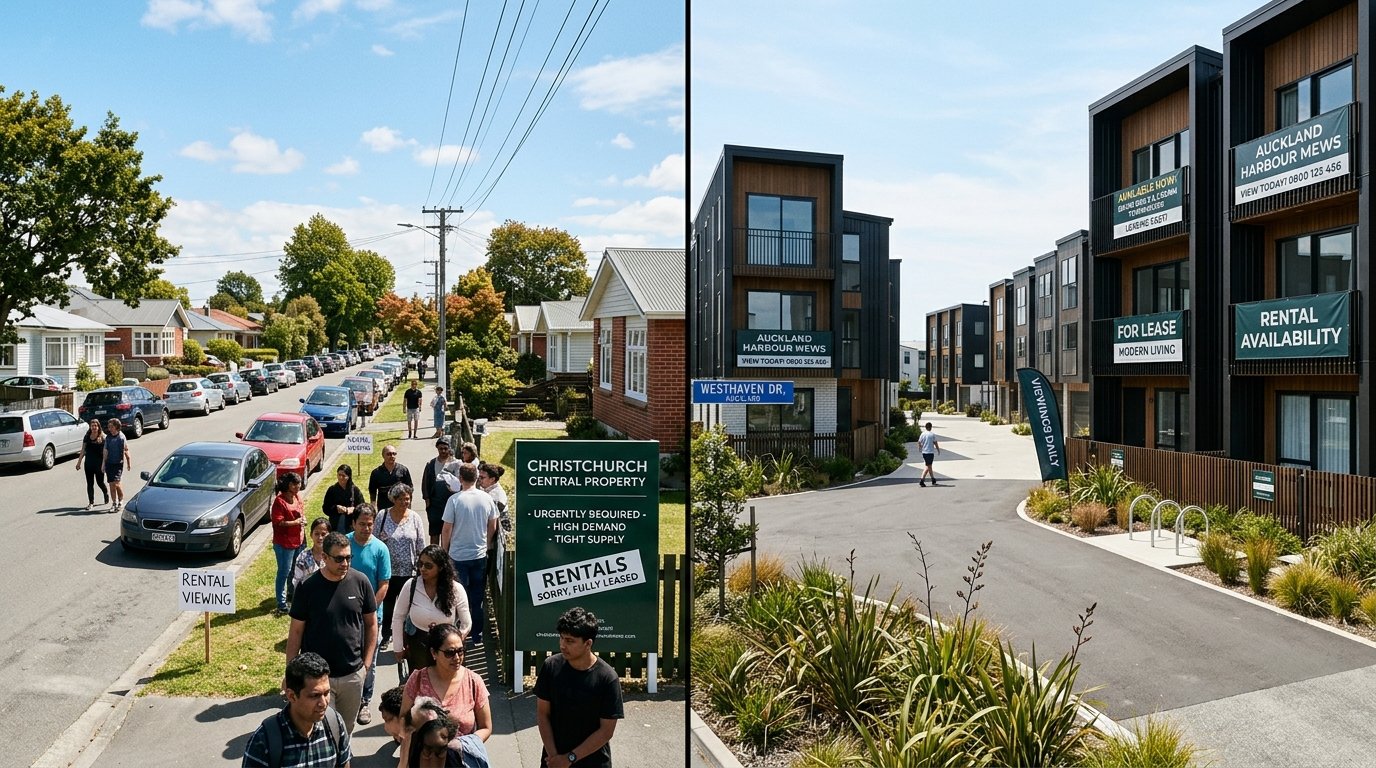
Bond data from MBIE Tenancy Services reinforces this trend. Actual lodged tenancy bonds show that median rents for newly signed leases in Christchurch have marched steadily higher across two-bedroom units, stand-alone houses, and suburban family properties. With fewer available options and shorter listing durations on the market, prospective tenants in Canterbury increasingly face competitive viewings and upward pressure on weekly budgets.
Auckland Renters Benefit from Flatlining Prices and Townhouse Influx
In contrast to the South Island squeeze, Auckland’s rental market has cooled. The Trade Me Property Rental Price Index records Auckland median weekly rents easing 1.5% year-on-year to $655 per week, down $5 from previous peaks.
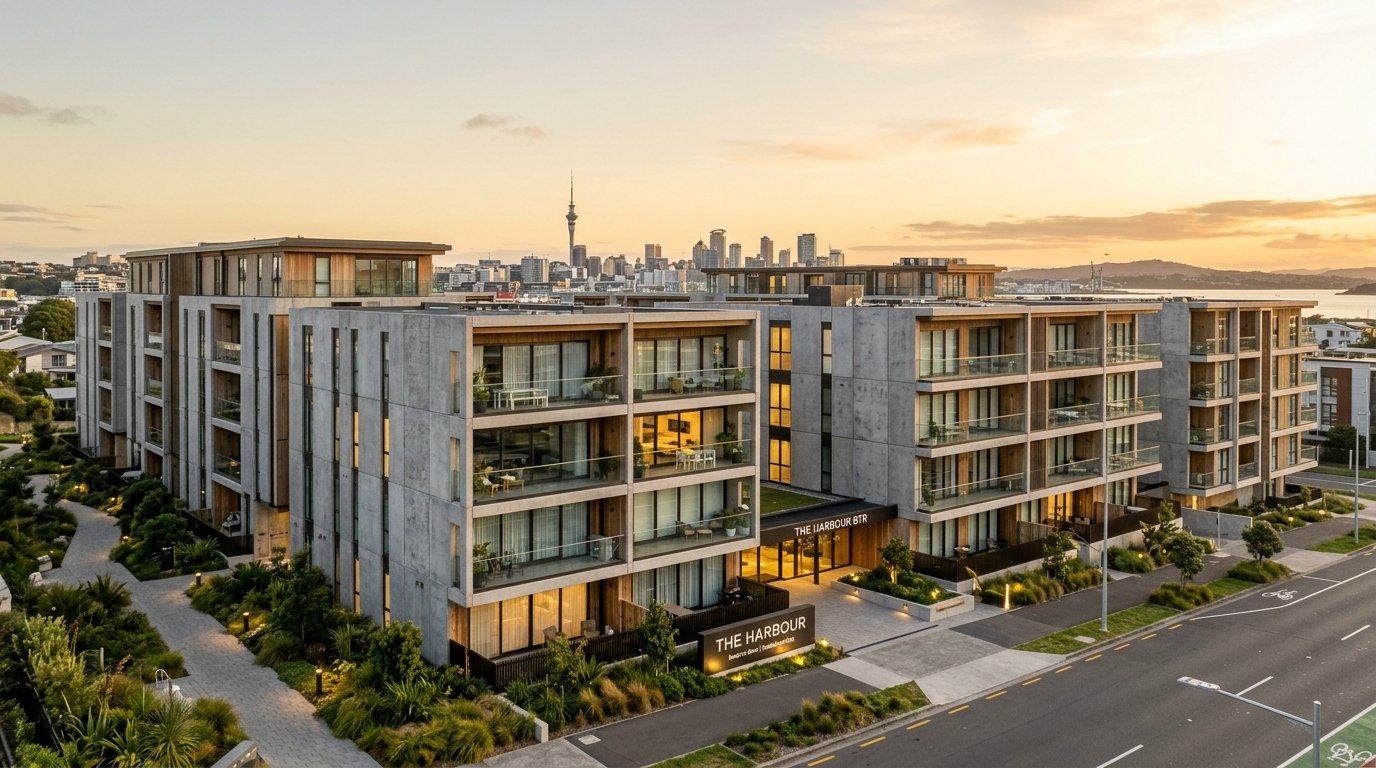
The primary factor keeping Auckland rents in check is an unprecedented delivery of medium-density housing. A multi-year wave of residential construction consents has added thousands of newly completed townhouses, units, and infill dwellings to the region’s rental pool.
This supply injection gives Auckland renters an advantage they have not experienced in years:
- Higher inventory levels across central and suburban suburbs give tenants extensive choice.
- Properties spend longer on the market, encouraging landlords to price realistically to prevent extended vacancies.
- Weekly townhouse rents in several Auckland districts have flattened or dropped, placing downward pressure on older stand-alone stock.
- With nominal rents stagnant and wage growth tracking ahead, Auckland tenants are effectively receiving a real-terms rent reduction.
Trade Me Property vs MBIE Tenancy Services: What the Numbers Reveal
Examining both asking rent metrics and settled bond figures provides a comprehensive view of how regional dynamics are unfolding across the country.
The Trade Me Property Rental Price Index captures advertised asking rents, providing an immediate gauge of landlord pricing expectations and active supply. In Canterbury, asking rents have broken previous records as property managers factor in strong application volumes. In Auckland, advertised rates have trended flat to lower as owners compete for a finite pool of prospective occupants.
Bond records from MBIE Tenancy Services, which log executed rental agreements, confirm that these advertised price movements are translating directly into signed leases. Canterbury tenancy bonds show sustained annual growth, while Auckland bond lodgements reflect flat median figures across central, western, and southern metropolitan zones.
Diverging Realities for Landlords and Tenants
The widening North-South divide presents distinct challenges and opportunities for participants in both markets.
In Canterbury, tenants face mounting pressure on disposable income. Paying an extra $20 to $30 per week compared to last year adds hundreds of dollars in annual living costs. For landlords in Christchurch, the market offers steady occupancy, low void periods, and strengthening rental yields.
In Auckland, property managers report that tenant retention is now a primary focus. Landlords attempting aggressive rent increases risk losing tenants to cheaper new-build townhouses down the road. As a result, Auckland owners must focus on property presentation, competitive pricing, and flexible terms to secure reliable long-term occupants.
Market Outlook
The gap between Auckland and Canterbury rents is narrowing at a notable pace. While Auckland still commands a higher nominal weekly rent at $655 compared to Canterbury’s $580, that $75 weekly difference represents a major compression from historical spreads.
Looking ahead to the upcoming quarters, the trajectory of both markets will depend heavily on the residential construction pipeline and regional population shifts. Until Canterbury sees a significant surge in new rental completions, tight vacancy rates will likely sustain upward pressure on local rents. In Auckland, the ongoing flow of medium-density completions will keep a firm cap on price acceleration, leaving tenants firmly in the driver’s seat.